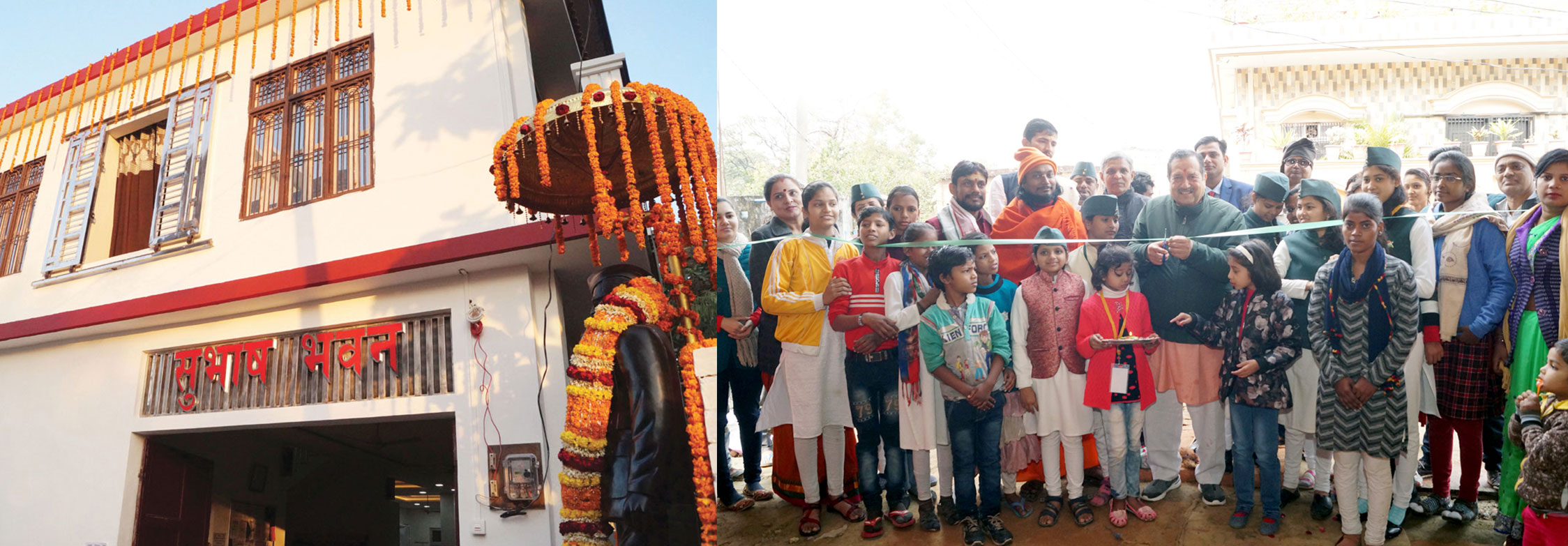
a.m. prayers to Bharat Mata are held in the Subhash Temple, and at 7 p.m. the
evening aarti of Netaji Subhas is performed.
To maintain discipline in the building, several committees function actively—cleanliness, water
conservation, food, expenses, electricity conservation, discipline, Annapurna, security, and waste
management committees—all of which are run by the children themselves.
In this era of caste and religious conflict, Subhash Bhavan is a unique institution in the world,
conveying a message of communal harmony globally. Here, people of all religions and castes are
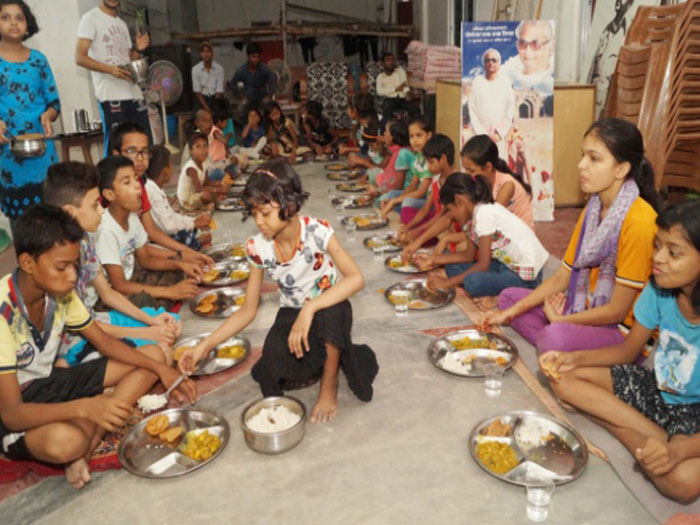
taught the values of service to the nation. At present, Subhash Bhavan provides education and meals
for 40 children.
Subhash Bhavan has 23 steps. It was inaugurated on 23 January 2019 by the renowned thinker Indresh
Kumar.
In 2006, terrorists carried out a bomb blast at the famous Sankat Mochan Temple, a revered shrine for
followers of Sanatan Dharma, with the intention of setting the entire nation ablaze with hatred and
breaking social unity.
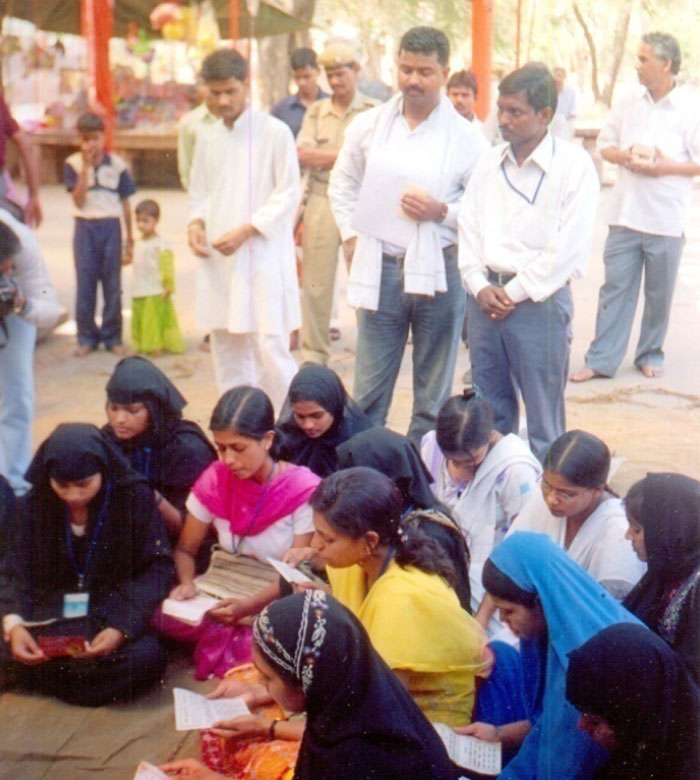
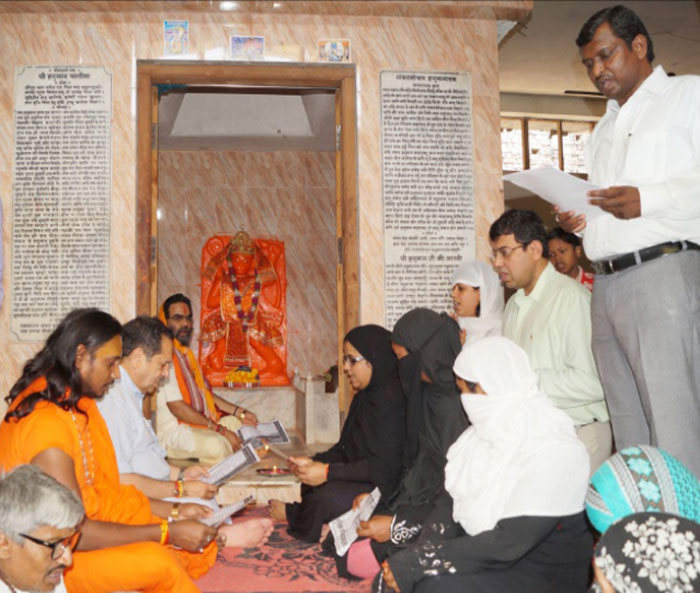
After the blast, under the leadership of Najneen Ansari of Vishal Bharat Shansthan, 70 veiled Muslim
women undertook an 8-kilometer foot march to the Sankat Mochan Temple. There, they recited the
Hanuman Chalisa at the very spot where bodies had been torn apart by the terrorist attack. This was a
first in Islamic history, when Muslim women openly challenged terrorists and extremists. By reciting
the Hanuman Chalisa in such large numbers, the women conveyed the message that Islam also
teaches respect for other religions.
Despite threats from terrorist organizations and extremists, the Muslim women did not give in.
Considering Lord Shri Ram as their ancestor, they have been performing the “Shri Ram Maha Aarti”
every year on Ram Navami and Diwali since 2006, setting a powerful example of communal
harmony. Even after 15 years, despite threats and attacks, the Shri Ram Aarti continues, and the
number of participating Muslim women has steadily increased.
For hundreds of years, Muslim women had suffered due to regressive practices like triple talaq and
halala. Many had become so intimidated by extremist clerics that they considered their oppression as
fate or destiny.
On 1 December 2013, over 500 burqa-clad Muslim women gathered at Paradkar Bhavan to protest
against triple talaq. In the presence of Indresh Kumar, they demanded complete freedom from the
practice. The courage displayed by these women surprised everyone, and the campaign against triple
talaq spread across the country.
When the triple talaq case reached the court, Muslim women sought a favorable verdict in their favor.
On 11 May 2017, 100 Muslim women went to Siddhpith Hanuman Temple from the famous Patalpuri
Math to recite the Hanuman Chalisa 100 times. Their devotion and prayers were believed to have
been heard by Hanuman Ji, resulting in a verdict favorable to the women’s cause.
The Muslim women also publicly burned effigies of leaders, including Owaisi, who supported triple
talaq.
Nazneen Ansari, leading the movement, openly challenged the All India Muslim Personal Law Board,
the primary religious organization supporting triple talaq.
This movement became a landmark example of religious courage, women’s empowerment, and the
fight for justice within conservative communities.
In many families, children who earned money by scavenging were often exploited, as their earnings
were spent by parents on addictions like alcohol and gambling. Poor weaving families often borrowed
money from moneylenders at high interest, and if they were unable to repay, their daughters were
taken by the moneylenders.
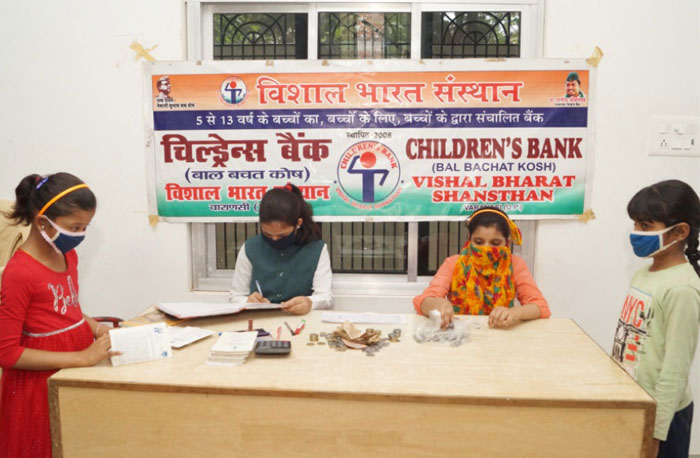
In this context, the world’s first Children’s Bank was established in 2008, entirely run by children.
This bank teaches children the importance of saving from a young age and empowers them
financially, enabling them to support their families in times of crisis.
Currently, the Children’s Bank has 1,838 savings accounts, providing a strong foundation for
financial literacy and responsibility among children.